

New Construction

When building a new property, whether residential or commercial, plumbing is one of the most critical systems to get right from the start.

Every blueprint represents a dream, and we’re here to ensure the infrastructure supports it flawlessly. From the initial ground-breaking to the moment you turn on the tap for the first time, our team works in lockstep with developers and contractors. We don’t just install pipes; we integrate high-performance water systems designed for the specific demands of your new build.

New Construction Plumbing Services

Services overview

Plumbing is more than just pipes and fixtures—it’s the infrastructure that ensures clean water flows in and wastewater flows out. A thoughtfully designed and professionally installed plumbing system lays the foundation for a building’s functionality, durability, and long-term success.

For homeowners, it ensures convenience and comfort. For general contractors and home builders, it guarantees code compliance and project timelines. For commercial enterprises, it supports complex operational demands. With so much at stake, having a strategic plumbing partner who understands your unique needs is vital.

What We Do

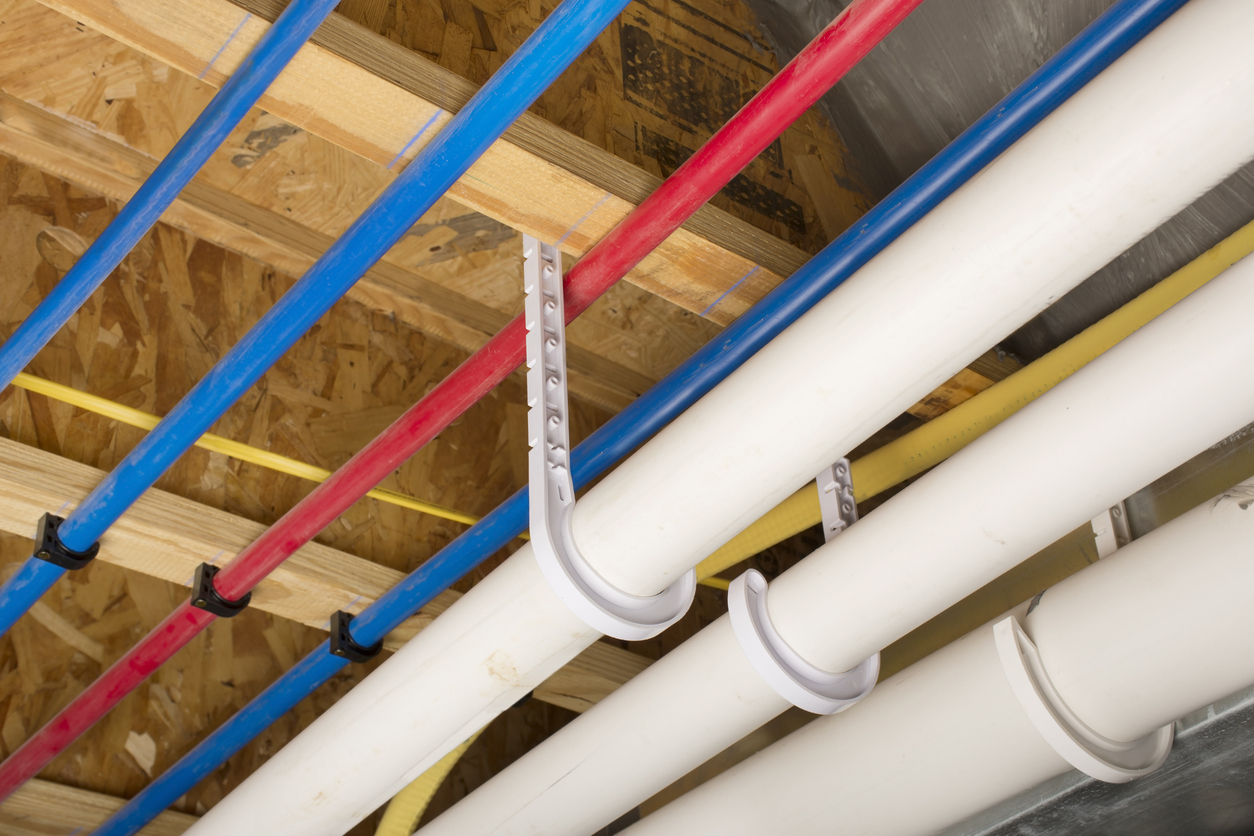
Plumbing installation for new construction projects follows a structured approach, divided into three key phases: Underground Rough-In, Above-Ground Rough-In (or “Top-Out”), and Final Trim & Finishing. Understanding these stages ensures the entire process is smooth and efficient, while keeping the project on schedule and within budget.

Skid steer loader transports large tree trunk, clearing yard debris in suburban setting during deforestation
Tree Removal & Clearing

Tree Removal & Clearing FAQ for Excavation Projects

Whether you are prepping a site for a new home or expanding a commercial parking lot, clearing the land is the first major step. Here are the most common questions ...
Read More →

New Construction Services
in Greater Lafayette Indiana

Main Line Entry

This involves determining and establishing the point where the main water supply line enters the building and where the sanitary sewer line exits.
Lorem ipsum dolor sit amet consectetur adipiscing elit dolor

Vertical Stacks

Vent pipes, known as vertical stacks, are installed to regulate air pressure within the plumbing system
These pipes extend through the roof, allowing sewer gases to escape safely.

Water Distribution Lines

PEX or copper pipes are installed throughout the building to deliver water to every planned fixture location, including sinks, toilets, showers, and appliances.

Gas Piping

For buildings that will have gas-powered appliances, this is the stage when certified gas lines are installed to supply natural gas or propane safely.

Pressure Testing:

All water and gas lines are tested under pressure to identify potential leaks. This ensures that the system is watertight and ready for use before the walls are sealed.

Fixture Installation

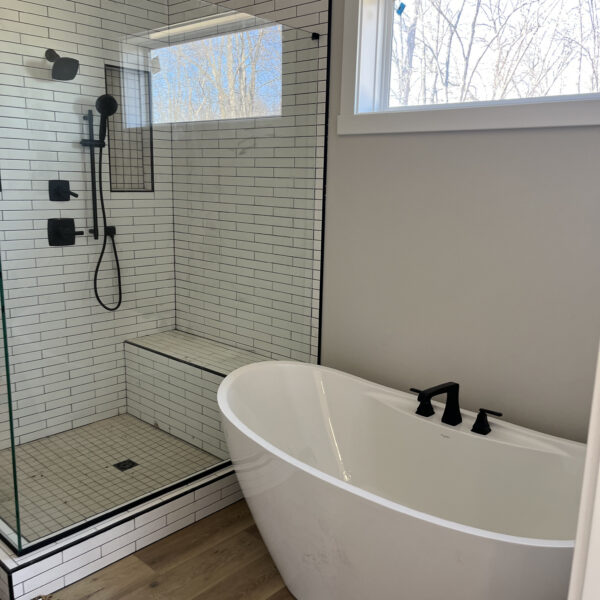
Sinks, toilets, showers, faucets, and other plumbing fixtures are installed. This step prioritizes precision and aesthetics, ensuring the fixtures align perfectly with the design.

Appliance Connections

Water heaters, dishwashers, washing machines, and garbage disposals are connected to the plumbing system. For gas-powered appliances, final hookups are made to the gas supply.
Sinks, toilets, showers, faucets, and other plumbing fixtures are installed. This step prioritizes precision and aesthetics, ensuring the fixtures align perfectly with the design.

System Testing:

A comprehensive walkthrough of the system is performed to test water pressure, flow rates, and drainage efficiency.
Any adjustments are made at this point to optimize performance and meet usage demands.
DID YOU KNOW?

As Part of Standard Due Diligence in Today's Real Estate Market, Most Realtors Now Routinely Pull Permit Information for Home Improvements Before a Sale is Finalized.

This practice protects buyers from inheriting costly, unpermitted renovations—such as finished basements, added decks, or structural changes—that could lead to fines or safety issues. Checking permit history ensures that all work meets local safety codes, protecting your investment and preventing future financing or insurance problems.

NEW CONSTRUCTION

3 Phases of New Construction Plumbing Projects

Underground Rough-In
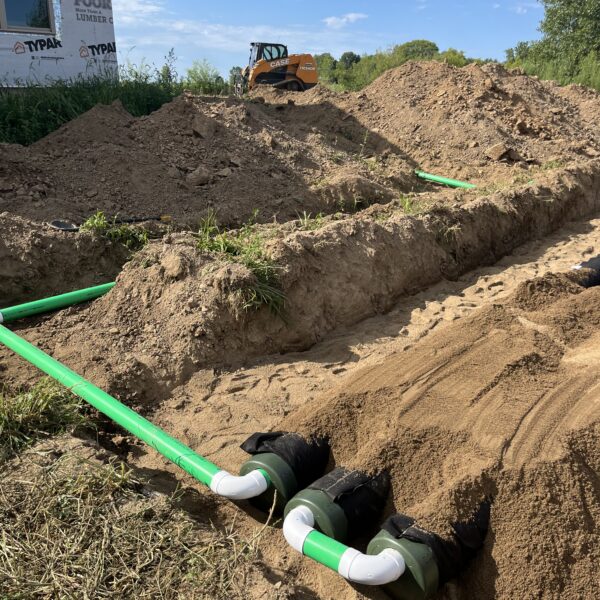
This initial phase sets the groundwork for a building’s plumbing system. It begins after the foundation walls or basement have been poured and before the concrete slab is set. The underground rough-in is where the primary connections for water supply and drainage are established. This phase requires close coordination with other trades, such as excavation and concrete crews, to ensure the plumbing infrastructure is properly placed and protected before the slab is poured. Errors at this stage can result in costly corrections later.
Above-Ground Rough-In
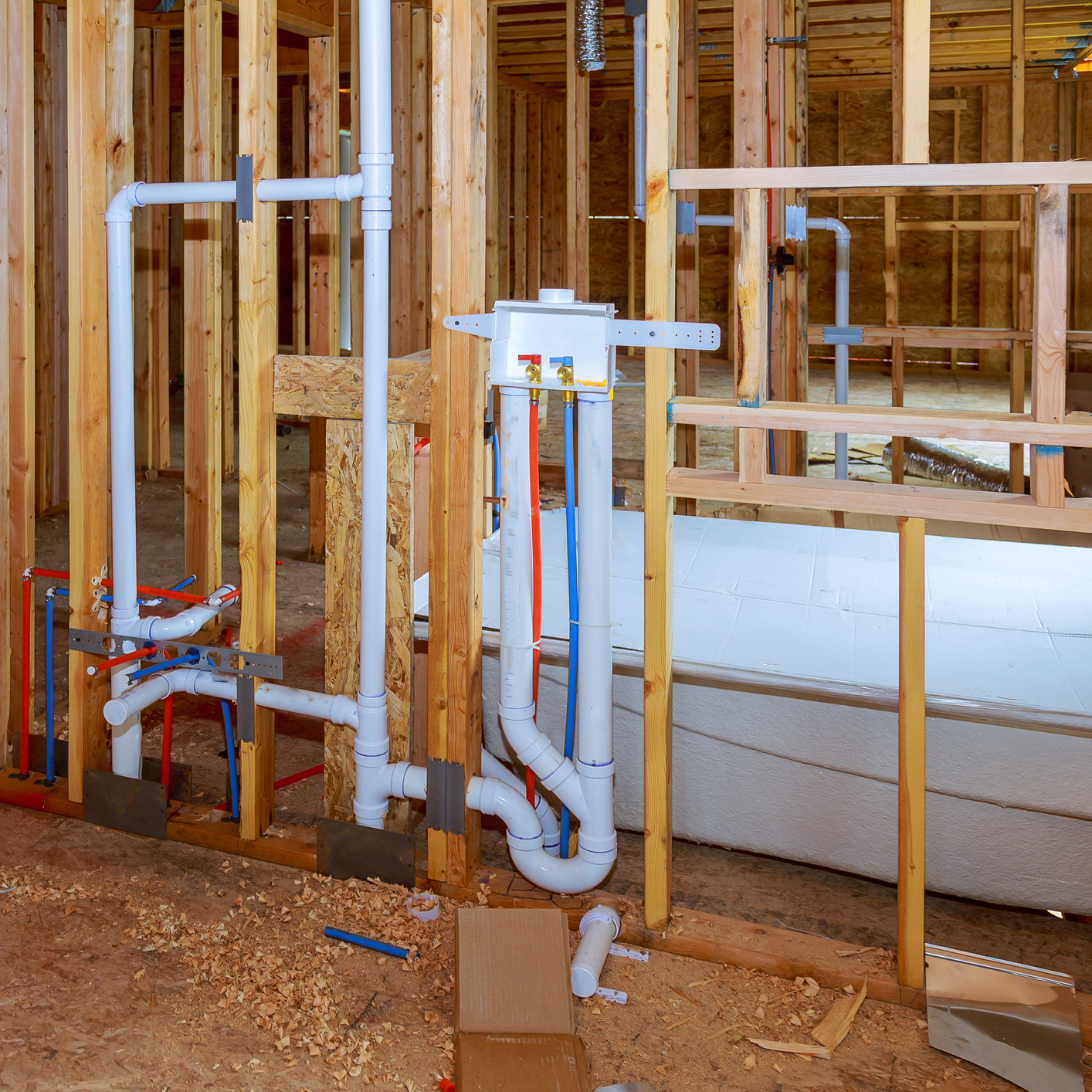
The second phase of construction plumbing begins after the framing of the structure is complete and the roof is installed but before insulation or drywall goes in. During this stage, the plumbing system starts to take shape as the “skeleton” of the building. Attention to detail during this phase is critical. Pipes must be correctly positioned to align with the design plans, and all installations must adhere to local plumbing codes.
Final Finishing
The final phase of construction plumbing occurs after the building’s interior finishes, such as flooring, paint, and cabinetry, are complete. This stage focuses on installing fixtures and appliances, as well as performing system testing to ensure proper functionality. This phase is where the vision of the project comes to life, combining functionality with visual appeal.

NEW CONSTRUCTION

For General Contractors & Home Builders

As a general contractor, you juggle multiple trades and tight deadlines. Plumbing delays can have a cascading effect on your schedule, so choosing a reliable partner is essential.

Schedule Integration: We work closely with your team to ensure the plumbing work aligns seamlessly with other trades, preventing bottlenecks during critical phases.

Safety and professionalism are key on any construction site. Our team maintains clean and organized workspaces, minimizing hazards and setting a high standard of quality.

Documentation & Transparency: We support modern practices such as video documentation and digital mapping of rough-ins. This approach allows for easy reference in the future, reducing the complexity of repairs or upgrades.

For homeowners, building a new house is a significant investment. Every choice, from fixtures to advanced plumbing systems, contributes to the overall functionality and value of the home.

Design Consultation: Plumbing is not just about utility; it’s also about aesthetics. We guide homeowners through design decisions, helping them choose fixtures that enhance the home’s style while prioritizing water efficiency.

Future-Proofing: We incorporate innovative technologies, such as tankless water heaters and smart leak detection systems, to ensure the plumbing system is prepared for evolving needs and expectations.

Energy & Water Efficiency: Reducing utility costs is a priority for many homeowners. We recommend strategies and solutions that conserve water and energy without compromising performance.

Commercial properties face unique plumbing challenges, from managing high water demand to ensuring compliance with strict regulations.

Heavy-Duty Systems: We design and install systems capable of handling the intense demands of commercial buildings, such as hospitals, retail centers, and office complexes.

Future Scalability: A flexible plumbing infrastructure is critical for commercial properties. Our modular designs make it easy to accommodate tenant changes or building expansions without requiring major renovations.

Compliance & Accessibility: We stay up-to-date with the latest ADA requirements and local commercial plumbing codes, ensuring your property meets all necessary standards.

Hiring a plumber for new construction

For All Your New Construction Plumbing Needs, We’ve Got You Covered!

Hiring a professional plumbing company ensures your home’s infrastructure is handled safely and correctly, preventing minor leaks from turning into costly, catastrophic disasters. Our licensed plumbers offer expert diagnostics, specialized tools, and long-term solutions that save you time and money compared to DIY attempts

Furthermore, PE Industries ensures compliance with local building codes in Tippecanoe, White, Carroll and other surrounding counties, protecting your property value and insurance coverage, while providing warranties for lasting peace of mind that ensure the job is done right the first time.

Payment Questions

Frequently Asked Questions

When should a plumbing contractor, such as PE Industries, be brought into a new construction project?

The ideal time is during the design and permitting phase, before the foundation is poured. For homeowners, this ensures your dream layout is actually feasible. For GCs and commercial firms, early involvement allows us to identify potential "clashes" with HVAC or structural steel in the 3D models (BIM), preventing costly change orders later.

What is a "rough-in," and why is it the most critical stage?

The rough-in occurs after the framing is complete but before the drywall goes up. This is when all main drain lines, vents, and water supply pipes are installed. It is critical because once the walls are closed, moving a pipe becomes exponentially more expensive. We verify that every "stub-out" (where the pipe exits the wall) is perfectly aligned with your future sinks, toilets, and appliances.

Do I need a separate plumbing permit if I already have a general building permit?

Yes. In almost all Indiana jurisdictions, plumbing requires a standalone permit and specific inspections. While a GC usually manages the master schedule, the licensed master plumber is typically responsible for pulling the plumbing permit and ensuring the work meets the local Uniform Plumbing Code (UPC) or International Plumbing Code (IPC).

Should I choose PEX or Copper for my new home?

This is the most common debate in residential construction.

  • PEX (Cross-linked Polyethylene): Modern, flexible, and faster to install. It is resistant to scale and chlorine, and because it has fewer joints, the risk of leaks is lower. It is also more affordable.

  • Copper: The "gold standard" for longevity (50+ years). It is fire-resistant and has natural antimicrobial properties, but it is significantly more expensive and labor-intensive.

  • The Verdict: Most modern homeowners choose PEX for the main runs and copper for exposed areas or "stub-outs" for a premium look.

What are the benefits of a "Loop" system or Manifold system?

A Manifold system (often called a "home run" system) acts like a circuit breaker box for your water. Every fixture has its own dedicated line back to a central hub. This allows you to shut off the water to a single bathroom without affecting the rest of the house. It also ensures consistent water pressure across the home.

Is a tankless water heater worth the investment in a new build?

New construction is the perfect time to go tankless. Since the venting and gas lines (or high-voltage electric) can be planned from scratch, the installation is cheaper than a retrofit. You’ll save space and enjoy endless hot water, which is a major selling point for future resale.

How do you handle "Slab-on-Grade" vs. "Crawl Space" plumbing?

  • Slab-on-Grade: This requires "under-slab" rough-ins. Precision is everything here. If a drain is off by three inches, we have to jackhammer the concrete. We use GPS or laser-guided layouts to ensure accuracy.


  • Crawl Space/Basement: This offers more flexibility for future repairs, but requires careful insulation and "heat taping" in colder climates to prevent freezing.


How do you ensure the plumbing schedule doesn't bottleneck the project?

Communication is the key. We coordinate with your team to ensure headers aren't placed where a 4-inch stack needs to run, and with the HVAC team to avoid ductwork conflicts. We aim to be "in and out" of the rough-in phase within a specific window so the insulators and drywallers can move in immediately.

What are your protocols for pressure testing?

Before any wall is closed, we perform a static pressure test. For DWV (Drain, Waste, Vent) lines, we fill the system with water to the roofline or use air pressure (5 PSI). For supply lines, we test at 100+ PSI. We provide GCs with a signed "Pass" log to ensure liability is clear before the next trade starts.

How does commercial plumbing differ from residential in new construction?

The primary differences are scale, material, and code. Commercial builds often require Cast Iron or Sch 40 PVC for waste lines to handle higher volumes and reduce noise. We also deal with complex systems like grease interceptors (for restaurants), backflow preventers (to protect city water), and massive "Boiler Plants" for hot water distribution in multi-unit buildings.

What is "Value Engineering" in plumbing?

For commercial developers, we look for ways to reduce costs without sacrificing quality. This might involve re-routing main stacks to reduce the total linear feet of pipe or suggesting alternative materials (like CPVC over Copper for certain fire-rated applications). Our goal is to meet the design intent while protecting your bottom line.

What are the ADA compliance requirements for new commercial restrooms?

ADA (Americans with Disabilities Act) compliance is non-negotiable. We ensure that sink heights, knee clearances, "grab bar" reinforcements, and flush valve placements meet the exact fractional inch requirements. Getting this wrong can lead to failed final inspections and delayed Certificates of Occupancy.

What is a "Greywater" system, and should we install one?

Greywater systems capture water from showers and laundry, filter it, and reuse it for irrigation or toilet flushing. While the upfront cost is higher, it is an excellent choice for LEED-certified commercial projects or eco-conscious homeowners.

How can we prepare the plumbing for a future smart home?

We recommend installing smart leak detection valves at the main water entry. These systems can automatically shut off the water if they detect a burst pipe, sending an alert to your phone. For commercial clients, we can integrate these into the Building Management System (BMS).

What should I know about "Hard Water" in new builds?

If your water has high mineral content, it will ruin your new high-end fixtures and tankless heaters within years. We suggest installing a whole-house water softener or a commercial-grade filtration system during the rough-in phase to protect your plumbing investment.

Building new? Get reliable, expert plumbing for your construction projects. Call PE Industries at (765) 714-2271 for a free, no-obligation quote today!

get in touch

Contact Our Team

Whether you’re handling an urgent plumbing issue or planning a major excavation, you need a partner focused on precision and reliability. At PE Industries, we pair powerful equipment with local expertise to get it done right the first time.


Urgent Call?

(765) 714-2271

Your Name(Required)
What Service Are You Interested In?
Scroll to Top