

Demolition Services

One of the most critical initial phases of any development is the careful removal of what currently exists.

Dismantling Old Structures

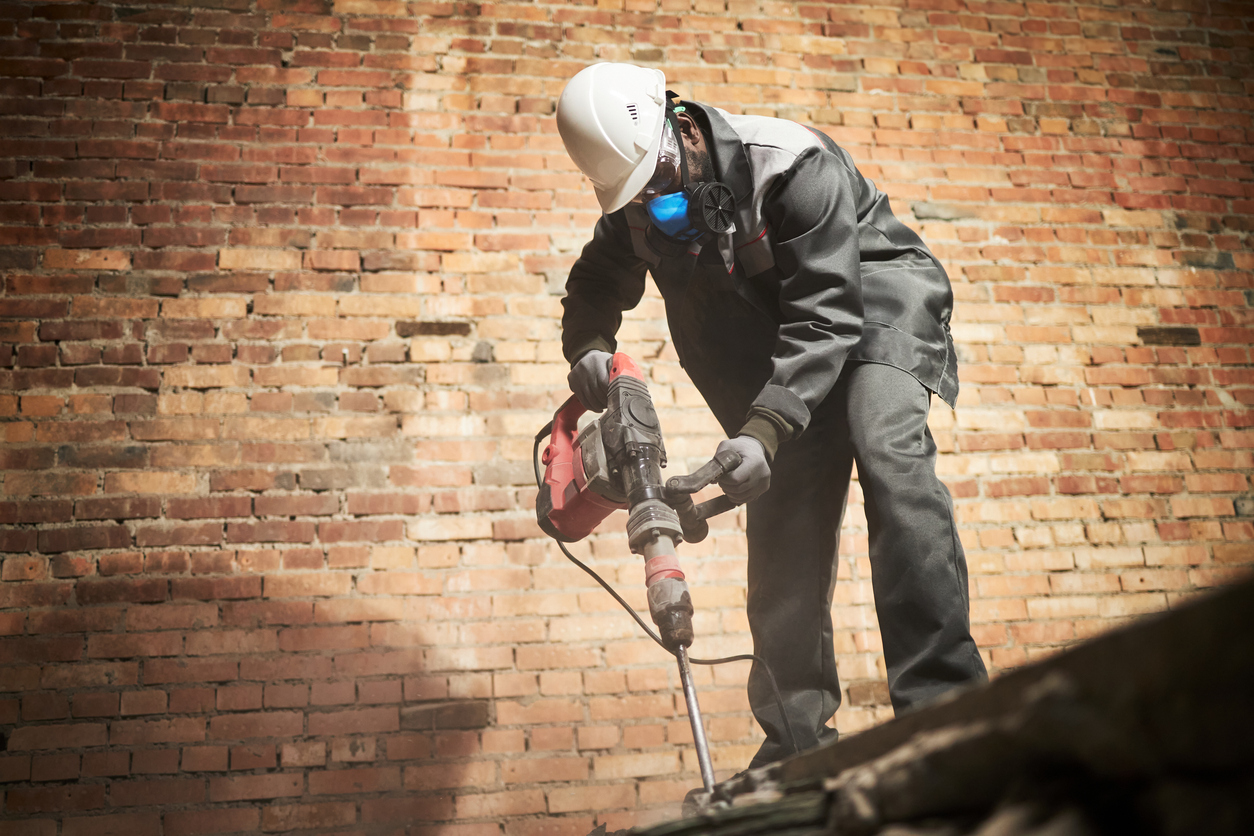
For homeowners and businesses alike, embarking on a construction project often entails much more than erecting new structures. One of the most critical initial phases of any development is the careful removal of what currently exists and the preparation of the ground beneath. Merging demolition and excavation into a single, cohesive project offers numerous advantages in terms of time, cost, and efficiency. While demolition focuses on dismantling and removing old structures, excavation is the process of reshaping the earth, preparing the land for foundations, and installing underground utilities. When these two phases are combined into one project, it not only streamlines the workflow but also ensures smoother transitions between tasks, reducing delays and minimizing disruptions.

Demolition Services

What We Do

Plumbing installation for new construction projects follows a structured approach, divided into three key phases: Underground Rough-In, Above-Ground Rough-In (or “Top-Out”), and Final Trim & Finishing. Understanding these stages ensures the entire process is smooth and efficient, while keeping the project on schedule and within budget.

Skid steer loader transports large tree trunk, clearing yard debris in suburban setting during deforestation
Tree Removal & Clearing

Tree Removal & Clearing FAQ for Excavation Projects

Whether you are prepping a site for a new home or expanding a commercial parking lot, clearing the land is the first major step. Here are the most common questions ...
Read More →

Demolition Services
in Greater Lafayette Indiana

While demolition focuses on dismantling and removing old structures, excavation is the process of reshaping the earth, preparing the land for foundations, and installing underground utilities. When these two phases are combined into one project, it not only streamlines the workflow but also ensures smoother transitions between tasks, reducing delays and minimizing disruptions.

Professional Engineering Survey

The first step in demo or excavation project is conducting an engineering survey.
This initial evaluation serves as the blueprint for planning the demolition and excavation sequence. By identifying potential risks upfront, it allows contractors to take preemptive measures, such as stabilizing weak structures or rerouting utility connections.

Permit Acquisition

Demolition and excavation are heavily regulated activities. Securing needed permits is non-negotiable.
Local and state governments typically require permits. Failure to obtain may result in fines, work halts – even legal action.

Utility Coordination

A most dangerous aspect of demolition and excavation is the potential for live infrastructure line strikes.
Once utility locations are identified, all active services must be professionally disconnected and capped outside the building line.

Safety and Site Management

The inherently high-risk nature of demolition and excavation requires strict safety protocol.
Proper planning and enforcement of safety measures protects workers and the public.

Hazardous Material Abatement

Older buildings, pre-1980s, often contain hazardous materials (asbestos, lead-based paint, etc).
If hazardous materials are detected, they must be removed by trained professionals using industry-approved methods.

Safety Protocols

At the heart of every successful project is a commitment to safety.
In addition to PPE, all workers should receive site-specific training on hazard awareness, emergency procedures, and safe operating practices.
STRATEGIC PLANNING

Contingency Planning

No matter how well a project is planned, unforeseen challenges often arise during demolition and excavation. Setting aside a contingency budget (typically 10-20% of the total project cost) helps address these unexpected situations without derailing the overall timeline.

Excavation can sometimes reveal unexpected features beneath the surface, such as abandoned septic tanks, cisterns, or even historical artifacts. These discoveries may require additional permitting or specialized removal processes, which can delay progress. In rare cases, historical preservation laws may come into play, necessitating further evaluations by archeological experts.

The condition of the soil is a critical factor in excavation and foundation work. While geotechnical surveys can provide an initial assessment, surprises like pockets of soft soil, high water tables, or unstable ground may only become apparent once digging begins. Addressing these issues often involves additional grading, backfilling, or soil stabilization techniques to create a firm base for future construction.

During demolition, unexpected structural conditions can arise, particularly in older or poorly documented buildings. For example, hidden layers of material, deteriorated supports, or unrecorded modifications may require adjustments to the planned demolition sequence. Such changes could necessitate additional equipment or engineering solutions, resulting in higher costs and extended timelines.

BENEFITS TO WORKING WITH PE INDUSTRIES

Site Security
Preventing unauthorized access to the worksite is critical, as it protects both the public and the workers from potential injuries. Temporary fencing should be installed around the perimeter, and clear warning signs should be posted to designate the area as off-limits. In some cases, security personnel may be hired to monitor the site after hours.

Environmental Control
Demolition and excavation can generate significant environmental impacts, including dust, noise, and vibrations. To mitigate these effects, contractors should implement control measures such as: Water Suppression, Noise Barriers and Vibration Monitoring: Using specialized equipment to ensure nearby structures are not compromised by heavy machinery operations.
Debris Logistics
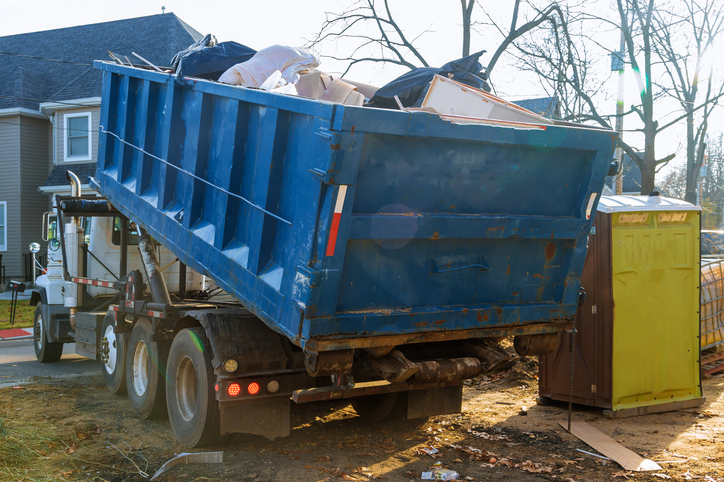
Proper handling of demolition debris is an often-overlooked but essential component of site management. Sorting materials such as concrete, metal, and wood for recycling not only reduces disposal costs but also aligns with sustainability goals. Many municipalities require a certain percentage of demolition waste to be diverted from landfills, so planning ahead for recycling ensures compliance with these regulations.

DEMOLITION SERVICES Q&A

Frequently Asked Questions

When it comes to excavation projects in and around Lafayette, Indiana, demolition is often a crucial first step. Whether you’re preparing a site for new construction or clearing space for a different purpose, understanding the details of demolition is essential to ensure the process runs smoothly, safely, and efficiently. Let’s break down the key aspects of demolition in excavation projects, so you know what to expect.

The timeline for a demolition project depends on its size and scope. Full demolitions, such as clearing a home, can often be completed within a few days. However, every project is unique. Once the scope is fully outlined, your PE Industries project manager will provide you with a detailed timeline so you can plan accordingly.

Demolition doesn’t just affect the property being cleared—it can also impact the surrounding neighborhood. It’s important to implement measures that minimize disruptions to neighbors. This might include setting up fencing to maintain safety and privacy or scheduling work during hours that reduce noise disturbances. Effective communication with nearby property owners is key to maintaining good relations throughout the project.

The approach to handling the foundation is an essential part of the demolition process. PE Industries works closely with clients to clarify whether the foundation, including any basements or crawl spaces, will be completely removed, broken down into manageable pieces, or backfilled. Each approach has different implications for the excavation phase and the future use of the site.

Safety is a top priority in any demolition project. Each site requires a tailored safety plan that accounts for fall protection, personal protective equipment (PPE) for workers, and emergency procedures. Strict adherence to safety protocols not only protects workers but also ensures compliance with regulatory standards.

Transparency in pricing is vital for any demolition project. At PE Industries, we provide a written, comprehensive bid that outlines all costs, including fees for debris disposal, permitting, and any potential hazardous material remediation. A clear payment schedule helps clients budget effectively and avoids surprises.

The first step in any demolition project is determining the scope of work. Are you dealing with a total demolition, where the entire structure is removed, or a partial demolition, which leaves certain structural elements intact? This decision informs the methods and equipment required. Contractors might use heavy machinery like wrecking balls or high-reach arms for larger structures or opt for manual demolition techniques when precision is necessary. Proper mobilization of equipment is also critical to ensure the process begins without unnecessary delays. Before work begins, it’s essential that every detail of the methodology is clearly defined and agreed upon.

A trustworthy demolition contractor must be licensed, bonded, and insured. At PE Industries, we meet all these requirements and are happy to provide proof of liability insurance and licensure upon request. These safeguards protect you against damages to neighboring properties and cover worker injuries, ensuring that you’re not left vulnerable to unexpected legal or financial risks during the project.

One of the most critical steps in any demolition process is disconnecting and capping utilities. Gas, electric, water, and sewage lines must be disconnected according to legal guidelines and verified by the respective utility providers. Properly completing this step eliminates risks of explosions, fires, or other hazardous situations that could endanger workers, neighbors, or the surrounding area.

Older structures often pose unique environmental risks, as they may contain hazardous materials such as asbestos, lead, PCBs, or mercury. A pre-demolition hazardous materials survey is essential for identifying and addressing these risks. The materials identified must be handled and disposed of properly to comply with local and federal regulations, protecting both human health and the environment.

Demolition generates significant amounts of debris, and managing this waste is a critical part of the process. A comprehensive debris disposal plan ensures that the site is left clean and ready for the next phase of excavation. Contractors should identify which materials, such as concrete or steel, can be recycled or repurposed and what will be sent to a landfill. This approach not only minimizes environmental impact but also ensures the project remains organized and efficient.

get in touch

Contact Our Team

Whether you’re handling an urgent plumbing issue or planning a major excavation, you need a partner focused on precision and reliability. At PE Industries, we pair powerful equipment with local expertise to get it done right the first time.


Urgent Call?

(765) 714-2271

Your Name(Required)
What Service Are You Interested In?
Scroll to Top