

Earthmoving + Grading
The success of your project begins beneath the surface.
PRECISION EARTHMOVING + GRADING
Whether you’re a homeowner breaking ground on your dream lakefront residence in Monticello or a commercial developer preparing a multi-acre site in Lafayette IN, the success of your project begins beneath the surface. The stability and reliability of any structure rely on a solid foundation, and that foundation starts with excavation done right.
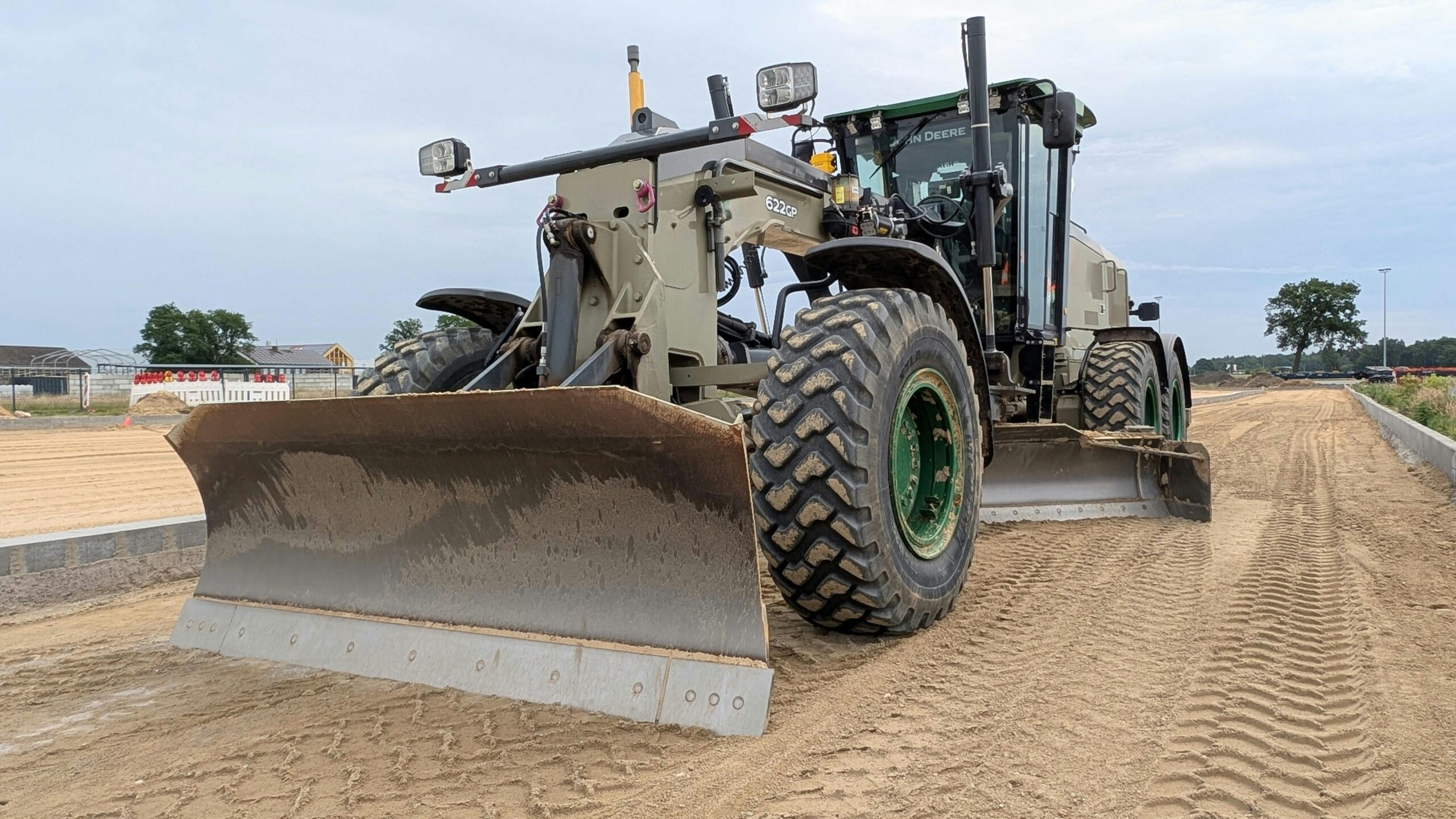
At PE Industries, we pride ourselves on offering expert earthmoving, and precision grading services across the Hoosier state. Combining advanced heavy machinery with cutting-edge, laser-guided technology, we prepare your land with unmatched accuracy and efficiency. Our mission is clear: to ensure your site is safe, level, and construction-ready—setting the stage for a successful build.
Earthmoving Services
- Commercial Earthmoving
- Precision Grading + Leveling
- Rough Grading
- Finish Grading
- Erosion Control
WHAT WE DO
PE Industries offers a full spectrum of services designed to meet the needs of residential and commercial projects alike. No matter the size or scope of your project, we ensure precision, reliability, and efficiency at every step.
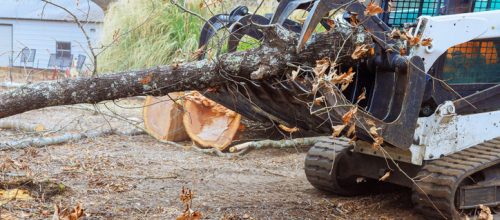
Tree Removal & Clearing
Tree Removal & Clearing FAQ for Excavation Projects
Whether you are prepping a site for a new home or expanding a commercial parking lot, clearing the land is the first major step. Here are the most common questions ...
Read More →

Written by
P.E. Industries
Earthmoving + Grading Services
Commercial Earthmoving
Time is a critical factor in commercial projects
Time is a critical factor in commercial projects. Our team is equipped to handle high-volume earthmoving, ensuring your site is ready on schedule and within budget.
Precision Grading + Leveling
Grading is more than shaping land.
Grading is more than shaping land—it’s about controlling water flow, preventing erosion, and creating a functional, aesthetic landscape.
Rough Grading
Rough grading forms the basic shape of your land, preparing it for further work.
Rough grading forms the shape of your land, preparing it for added work. We cut, fill, and contour the site to match your plans and ensure proper drainage.
Finish Grading
Finish grading is the final touch, creating a smooth surface ready for sod, seed, or pavement.
Finish grading is the final touch, creating a smooth surface ready for sod, seed, or pavement. This step is crucial for a professional appearance.
Erosion Control
Without proper erosion control, Indiana’s heavy rains can compromise the integrity of your site.
We use techniques like silt fences, retention basins, and strategic slope design to protect your project.
Backfilling and Compaction
Refilling trenches or areas around foundations with soil and compacting it for stability.
Our professional backfilling services ensure your foundation, utility lines, and trenches are packed with precision.
WHO WE SERVE
Industrial Warehouses
Indiana’s central location has made it a hub for logistics and warehousing. These large facilities require massive site clearing and leveling to support the weight of heavy machinery and inventory.
Retail & Office Complexes
When it comes to retail and office developments, every detail matters. Our team ensures precise site stripping, utility trenching, and pad preparation for smooth construction and paving.
Parking Lot Sub-Grading
Parking lots endure constant traffic and weather exposure. Proper sub-grading ensures the long-term durability of asphalt or concrete surfaces, preventing cracks and potholes.





Frequently Asked Questions
The Basics of Earthmoving and Grading
While often used interchangeably, they represent different phases of site preparation:
Earthmoving: This is the heavy-lifting phase. It involves the mass movement, removal, or addition of soil, rock, and debris to change the physical topography of a site.
Grading: This is the precision phase. Grading involves leveling or sloping the ground to a specific degree. The goal is typically to create a flat base for foundations or to ensure proper water drainage away from structures.
Depending on the scale of your project, you may see:
Excavators: For deep digging and trenching.
Bulldozers: For pushing massive amounts of dirt and rough grading.
Skid Steers: For tight spaces on residential lots.
Graders: Long-framed machines used to create an incredibly flat surface for roads or pads.
Dump Trucks: To haul "spoils" (excess dirt) off-site or bring in "select fill."
Indiana’s geology varies significantly. Northern Indiana often deals with sandy loam and glacial till, while Central and Southern Indiana are known for heavy clay soils and limestone bedrock. Proper earthmoving ensures you aren't building on unstable "fill" dirt, and grading ensures that Indiana’s heavy spring rains don't flood your basement or erode your commercial parking lot.
Residential Grading for Homeowners
Yes. One of the most common causes of residential foundation failure in Indiana is hydrostatic pressure caused by poor grading. If the ground doesn't slope away from your new foundation (at least 6 inches of drop within the first 10 feet), water will pool, saturate the clay soil, and eventually crack your basement walls.
Absolutely. If you have "standing water" or a "swampy" yard, a contractor can perform re-grading. This involves cutting swales (shallow drainage channels) or installing French drains to redirect water toward the municipal storm system or a lower point on the property.
Before heavy construction begins, we strip the organic topsoil (the dark, nutrient-rich dirt) and stockpile it. Topsoil is too "spongy" to build on. We move it aside, perform the heavy earthmoving on the stable subsoil, and then spread the topsoil back over the finished grade for your lawn and landscaping.
While tempting, grading is a "one-shot" task. If you grade the slope toward your house or fail to compact the soil in 6-inch "lifts," you will face thousands of dollars in foundation repairs later. For anything beyond a small garden bed, professional-grade equipment and expertise are highly recommended.
Commercial Site Prep for Business Owners
The longevity of your parking lot depends entirely on the subgrade. If the earthmoving team doesn't compact the soil to specific PSI (pounds per square inch) requirements, your asphalt will crack and sink within two years. Precision grading also ensures that your ADA-compliant ramps meet strict slope percentages.
A balanced site is a goal in civil engineering where the amount of dirt "cut" from high areas exactly matches the amount of "fill" needed for low areas. This is the most cost-effective scenario for a business because it eliminates the expensive need to pay for hauling dirt off-site or buying "import fill."
Clay is "expansive," meaning it swells when wet and shrinks when dry. For commercial pads, we often use soil stabilization. This involves mixing lime or cement into the clay during the earthmoving process to chemically alter the soil and make it a rock-hard, non-expansive base.
Regulations, Permits, and Safety
Indiana 811 is the law. Before any "mechanized" earthmoving begins, the property owner or contractor must call 811 to have underground utilities (gas, electric, fiber optic) marked. Hitting a line is not only dangerous but carries massive fines and repair costs.
In Indiana, if your construction project disturbs one acre or more of land, you generally need an IDEM (Indiana Department of Environmental Management) Construction Stormwater General Permit (formerly known as Rule 5). This requires a plan to manage erosion and prevent sediment from washing into local Indiana waterways.
Contractors use BMPs (Best Management Practices), such as:
Silt Fences: Fabric barriers to catch sediment
Straw Wattles: Tubes of straw placed along slopes
Temporary Seeding: Planting fast-growing grass on dirt piles to keep them from blowing or washing away
Costs and Timeline
PE Industries charges by the cubic yard of dirt moved, or via a flat-fee contract based on the total acreage and complexity. Factors that increase cost include:
Rock Excavation: If we hit Indiana limestone that requires blasting or hydraulic hammers.
Haul-off: If the dirt is "bad" (full of debris or organic matter) and must be taken to a landfill.
Distance: How far the equipment has to be "mobilized" (trucked) to your site.
Residential lot: 1 to 3 days for rough grading.
Small commercial site (1–5 acres): 1 to 2 weeks, depending on weather.
Note: In Indiana, weather is the biggest factor. If the soil is saturated from a spring thaw or a week of rain, we cannot move dirt without ruining the soil structure.
It is common in Indiana to find buried "burn pits" or old foundations. If we encounter unsuitable soils (muck, peat, or trash), we must perform a "cut and fill"—removing the bad material and replacing it with engineered fill dirt to ensure your building doesn't sink.
get in touch
Contact Our Team
Whether you’re handling an urgent plumbing issue or planning a major excavation, you need a partner focused on precision and reliability. At PE Industries, we pair powerful equipment with local expertise to get it done right the first time.
Urgent? Call Us